Problem
A concrete operational bottleneck, not a vague AI idea.
These anonymized case-style examples show the kinds of problems Ascend Tier Tech is built to solve: knowledge discovery, internal AI support, data visibility, and custom workflow software.
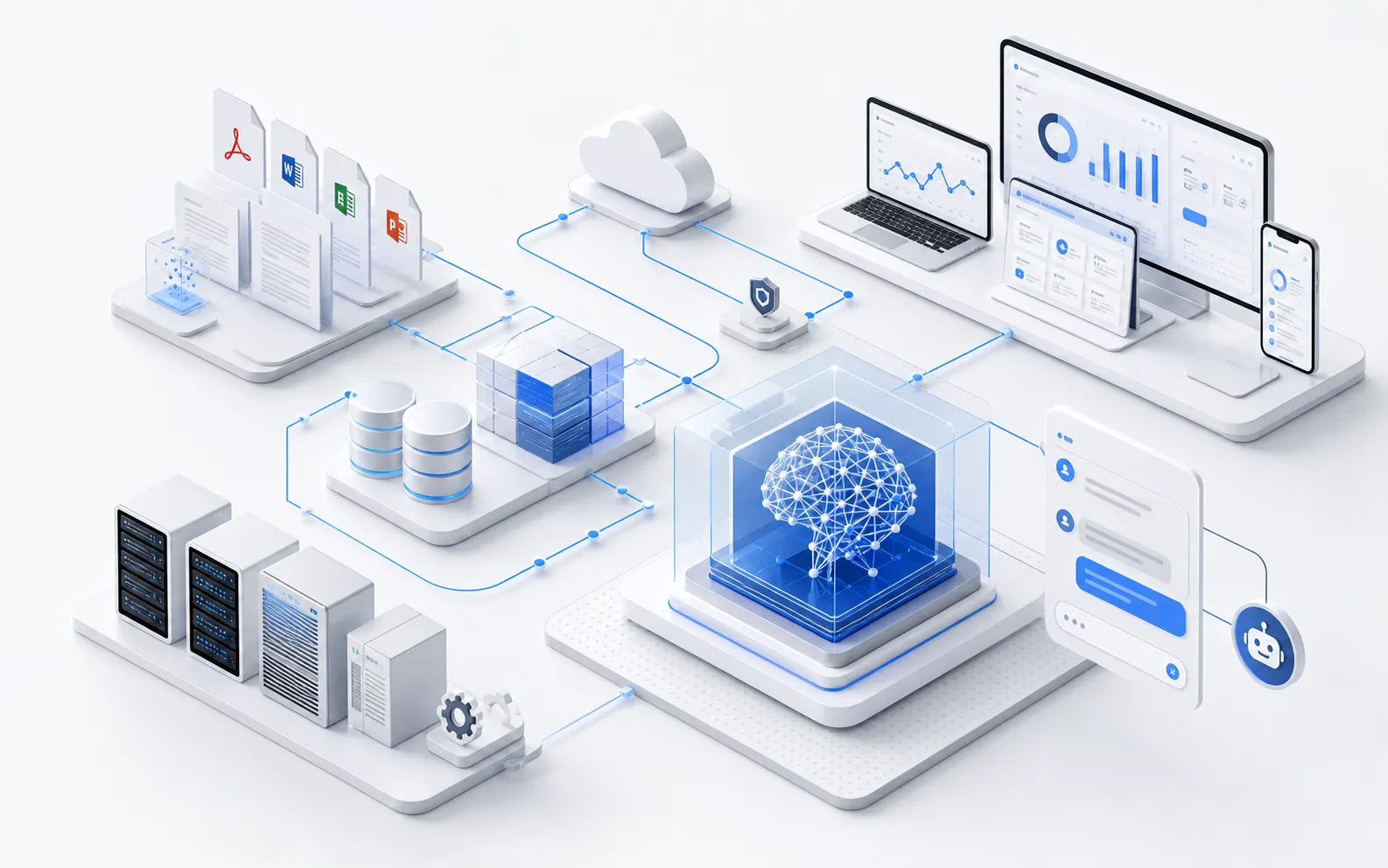
Case themes
How to read these cases
Most enterprise AI projects succeed when the source material, users, permissions, deployment environment, and operating workflow are designed together.
A concrete operational bottleneck, not a vague AI idea.
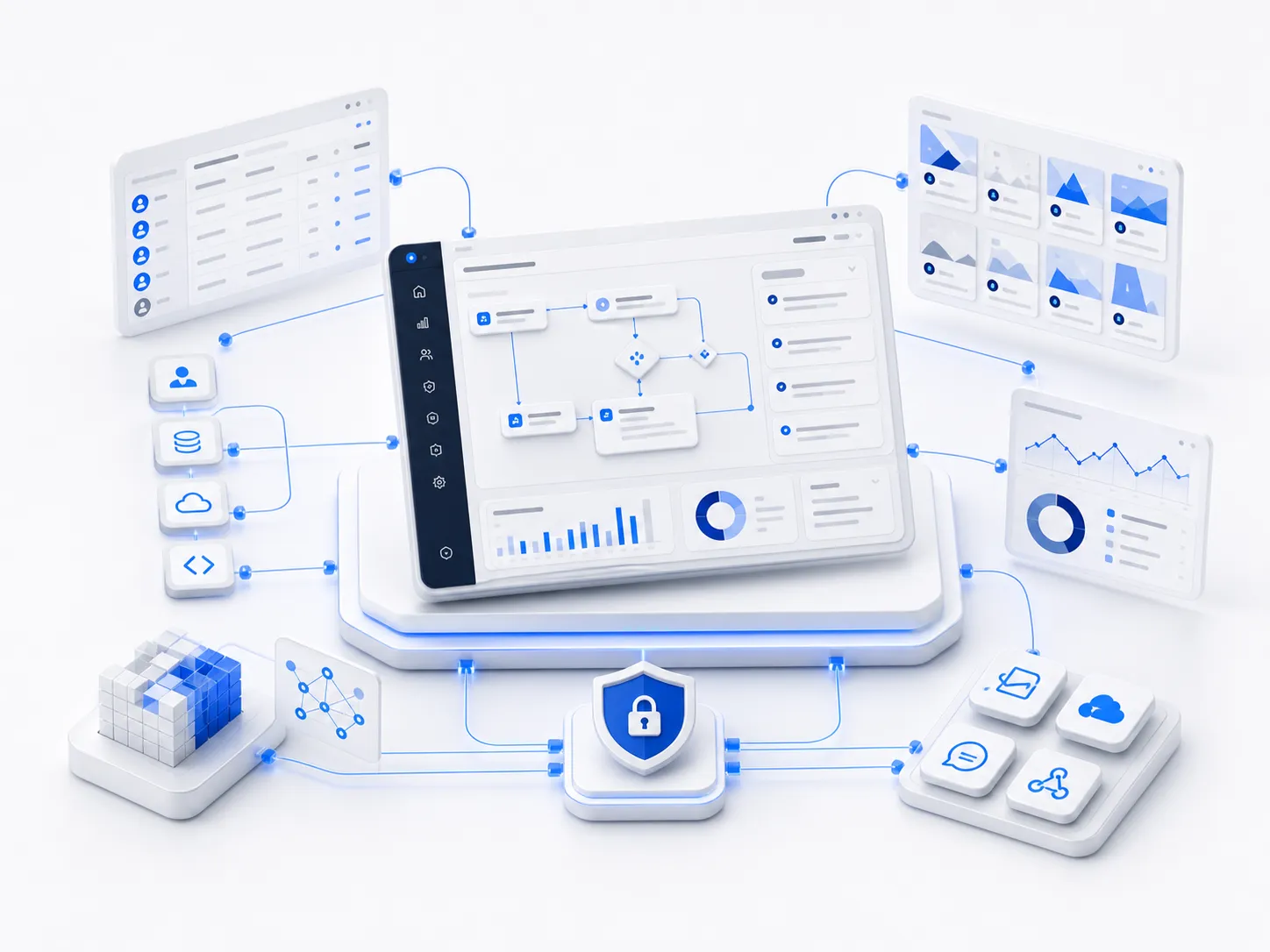
A deployable architecture combining data, software, AI, and access control.
A clearer way for staff or leaders to retrieve, decide, report, or act.
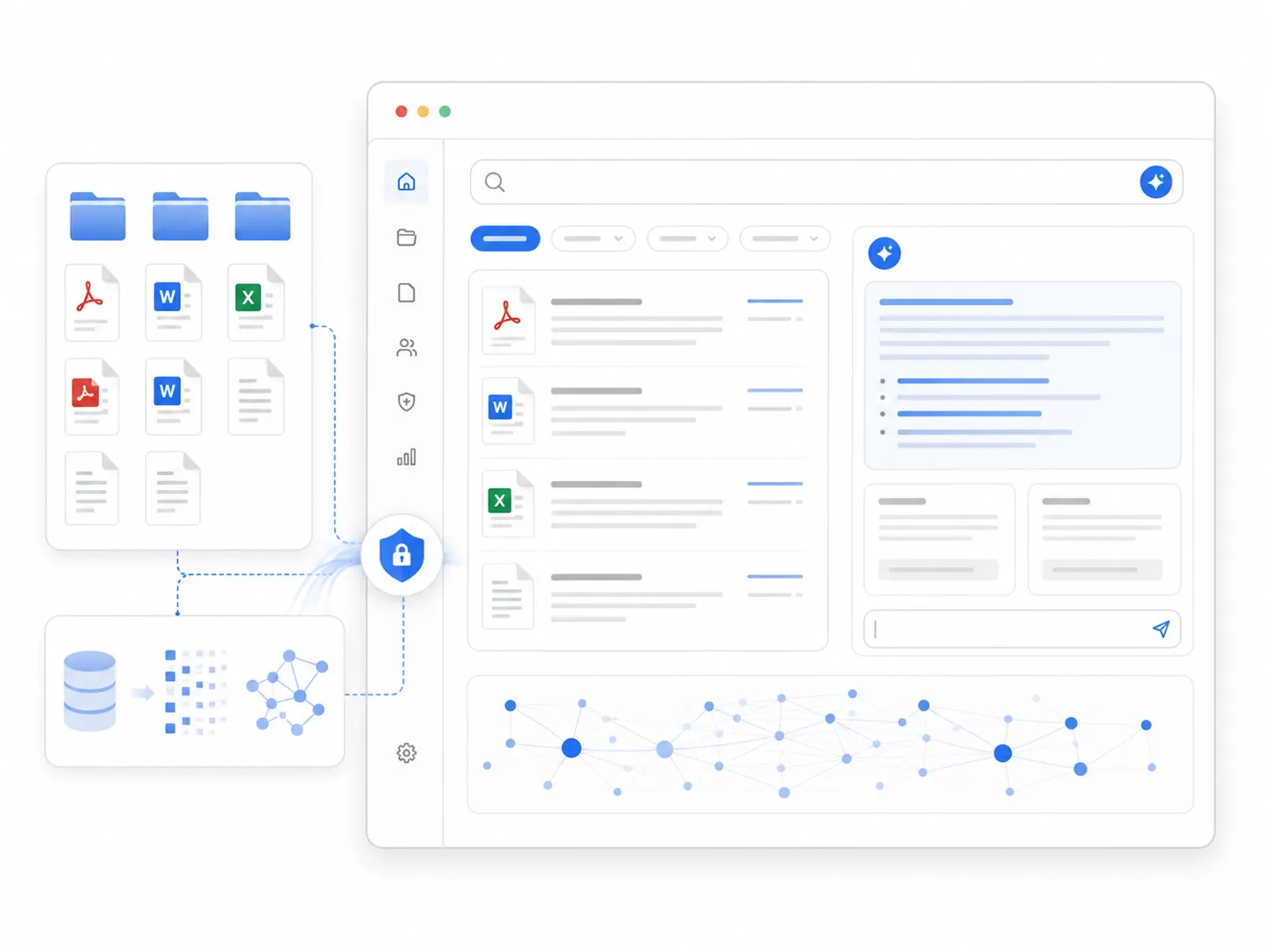
Knowledge discovery
The system pattern starts by collecting current documents, indexing them with metadata, and giving staff answerable search with citations instead of folder hunting.
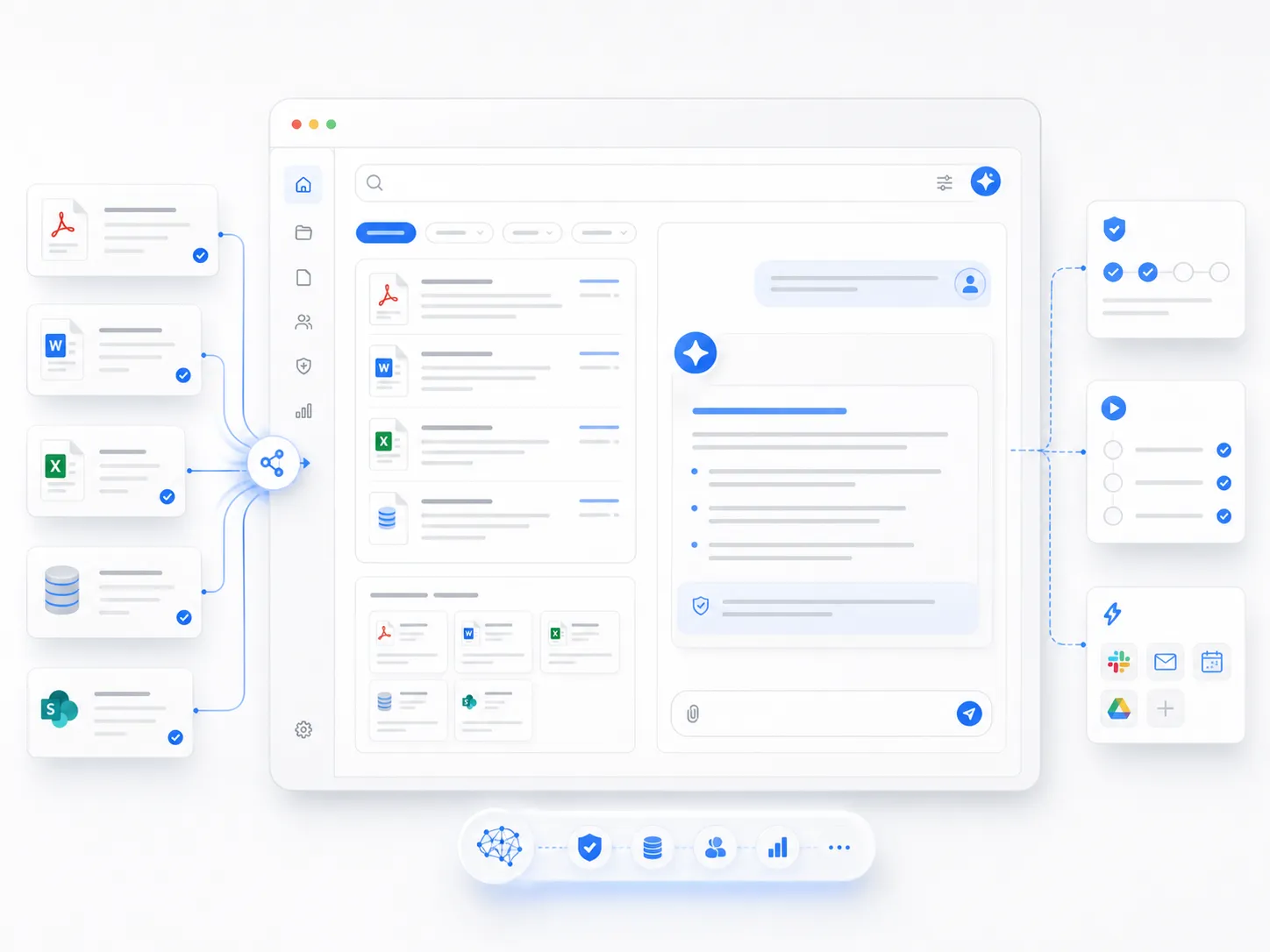
Internal assistant
Instead of a generic chat box, the assistant is connected to approved sources, task flows, and review checkpoints so teams can answer common questions without losing control.
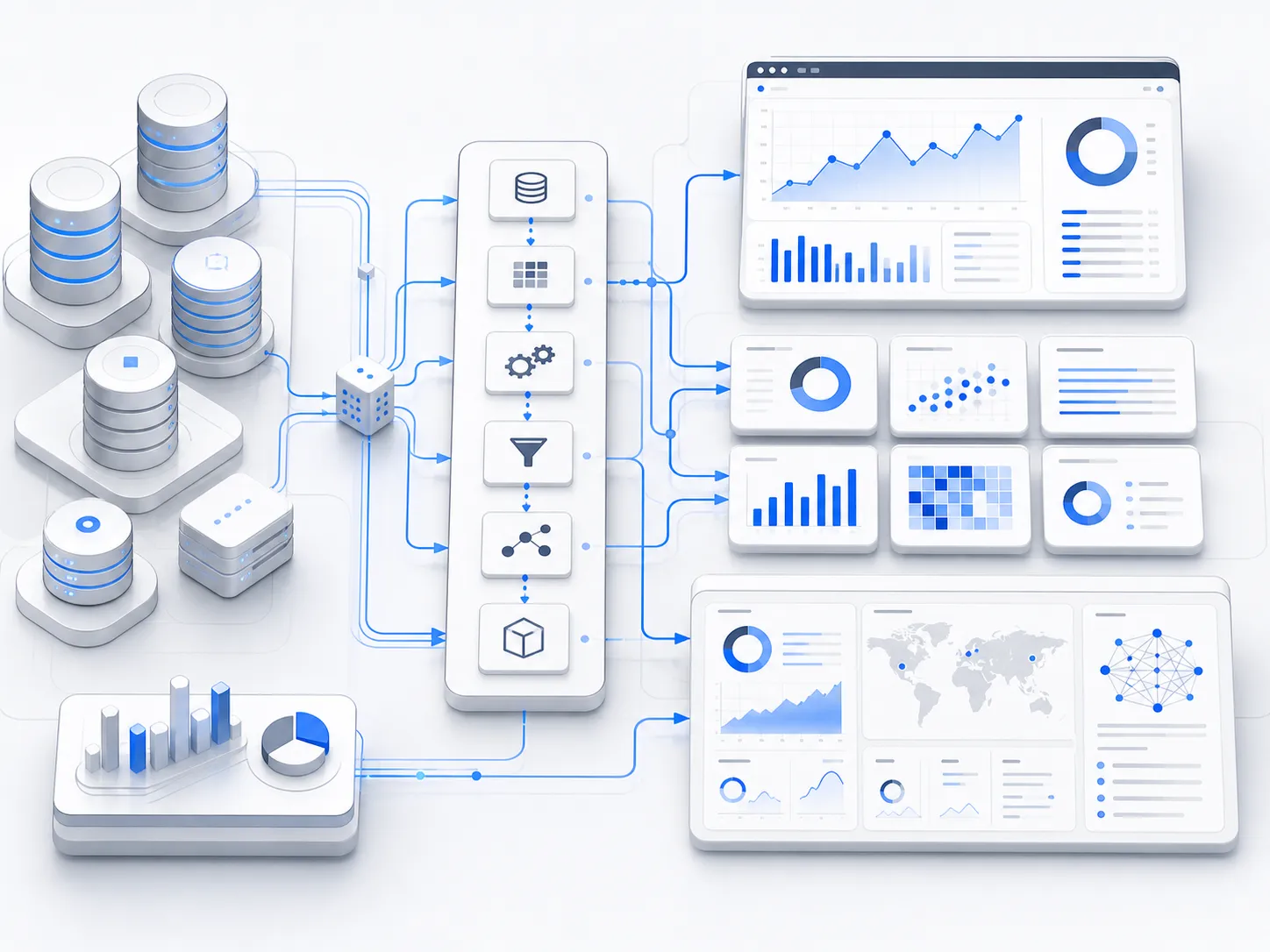
Data visibility
Source systems, ETL jobs, normalized databases, dashboards, and AI-assisted reporting work together so leadership can see performance without rebuilding reports by hand.
Workflow SaaS
Role-based software replaces manual approvals, message threads, and spreadsheet status tracking with workflows, portals, analytics, and controlled integrations.
Anonymized examples
A document-heavy organization had policy files, training materials, service notes, and internal references spread across folders and tools. Staff could not reliably find current answers.
An operations team spent too much time answering repeated internal questions about procedures, status, and document locations.
A multi-location business had customer and operating data but lacked a unified view for decisions, performance review, and reporting.
A service organization relied on spreadsheets, manual approvals, and messages to manage recurring work across staff and customers.
Reusable delivery lesson
Documents and databases must be cleaned, structured, indexed, and governed before AI output can be trusted.
Users need a working interface, roles, workflows, and reporting surfaces, not only a model endpoint.
Enterprise systems need security, monitoring, maintenance, and a path for future extension.
Describe the current process and the source material. Ascend can help map the system architecture and delivery path.
Discuss a Similar Problem