Business-first architecture
Each project starts with the operational problem and the material already inside the organization.
Ascend Tier Tech is built around practical system delivery. The company helps organizations convert operational knowledge, documents, data, and manual workflows into AI-enabled software that can be deployed, governed, and improved over time.
Founder profile
Positioning
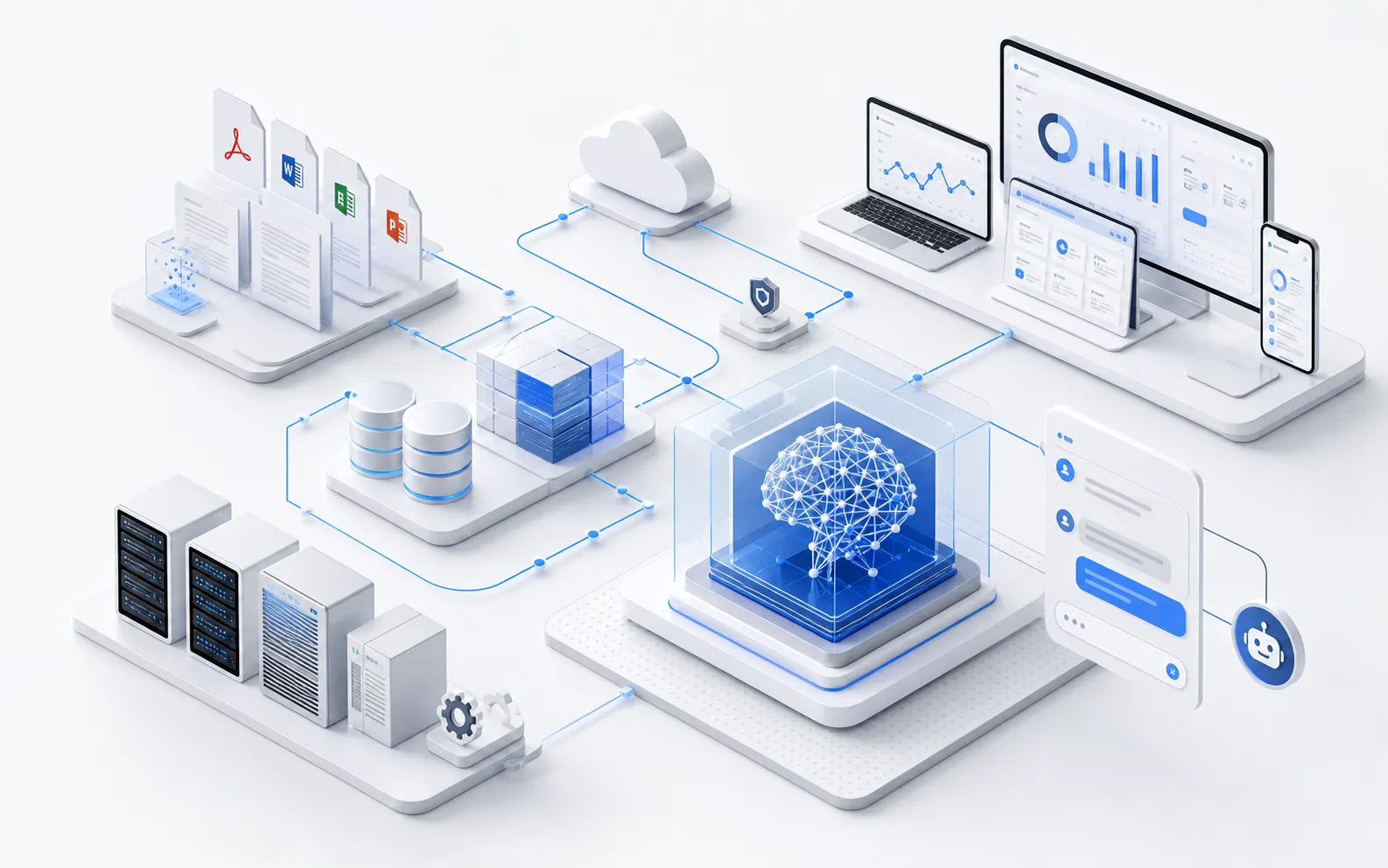
AI is useful when it can operate inside the real constraints of a business. Ascend designs systems around retrieval quality, data pipelines, integration boundaries, deployment environments, and the people who need to use the system every day.
Each project starts with the operational problem and the material already inside the organization.
Systems are planned for deployment, monitoring, maintainability, and handoff.
AI is applied where it improves search, assistance, reporting, workflow speed, or decision visibility.
Technical foundation
Marcus Lee’s background combines enterprise AI applications, knowledge management systems, data platforms, and cloud-native software infrastructure.
Delivery philosophy
Design systems that can run repeatedly, recover from failure, and remain understandable after launch.
Use clear data flows, documented architecture, and practical handoff standards.
Respect data boundaries, role-based access, private deployment needs, and enterprise control requirements.
The best starting point is a concrete knowledge, data, workflow, or software bottleneck that needs to become a working system.
Start the discussion